
VISION, INNOVATION, AND LEGACY: INSIDE THE MOORES SCHOOL OF MUSIC OPERA PROGRAM
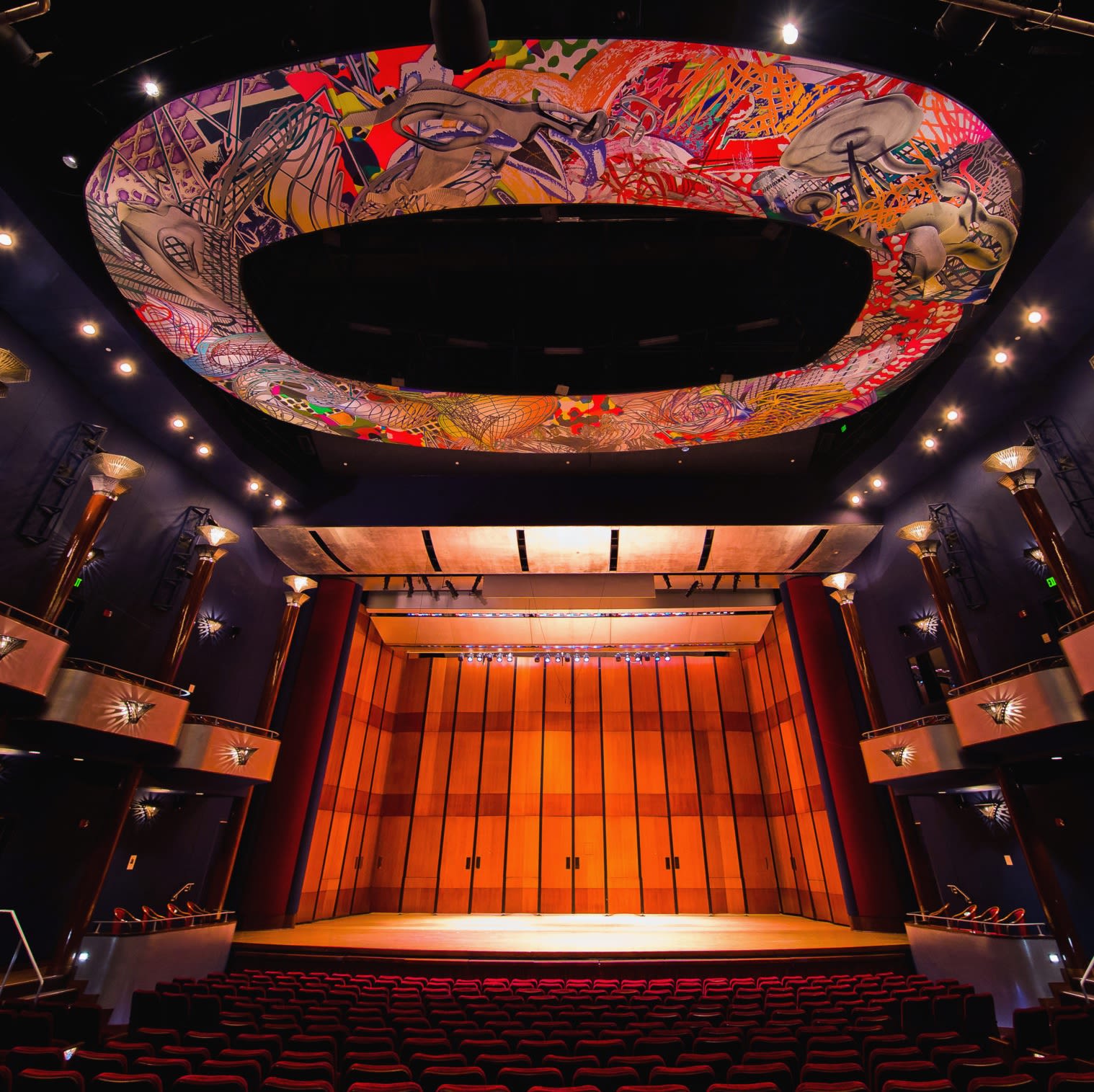

Vision and artistry converge at the Moores School of Music Opera Program which is widely regarded one of the nation’s most dynamic and enterprising collegiate opera institutions. Known for its bold repertoire, polished productions, and commitment to developing future operatic talent, Moores continues to gain national attention. Recent accomplishments — from national awards to major world premieres and a celebration that will bring 50 University of Houston Choir students to Carnegie Hall for the Carlisle Floyd Centennial — signal a program thriving in full creative stride.
Visionary Leadership
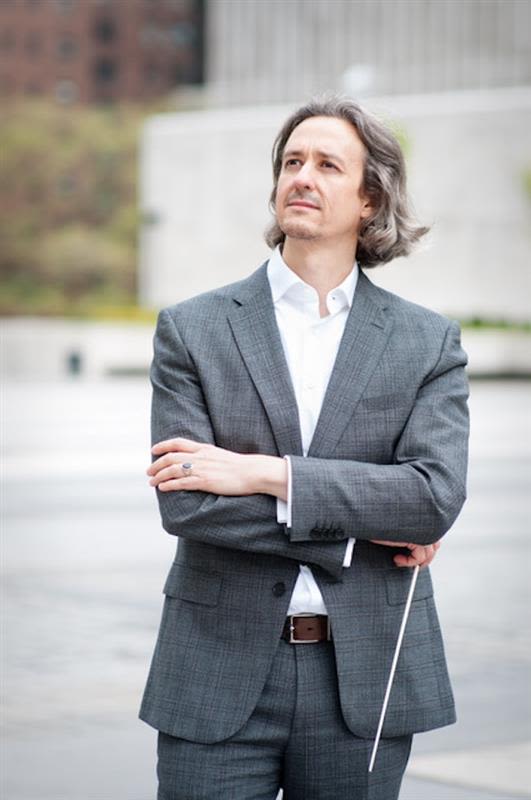
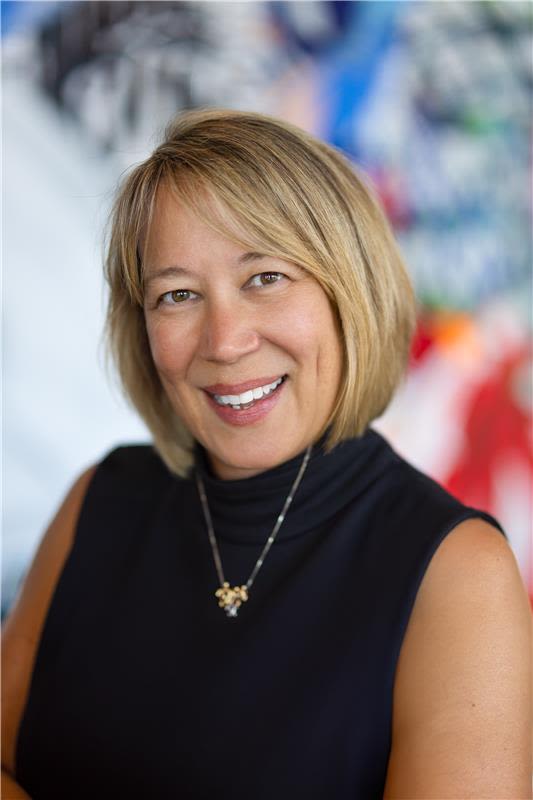
The program is propelled by the partnership of Artistic Director Kathleen Belcher, and Music Director Jorge Parodi, whose global experience and decades of mentorship shape its artistic direction.
Parodi, originally from La Pampa, Argentina, trained in piano and conducting in Buenos Aires before shifting to conducting after moving to New York. His career led him to engagements at opera houses and orchestras throughout the Americas, and leadership roles with Gulfshore Opera and Opera Hispánica. At University of Houston he serves as Music Director of the Moores Opera Center, Assistant Professor of Conducting, and Assistant Director of Orchestras, drawn by the school’s legacy and outstanding performance environment. “We have exceptional faculty, excellent facilities, and incredibly talented students,” he says.
Belcher’s journey began with her early love of storytelling and evolved through years at major opera houses, including the Lyric Opera of Chicago and The Metropolitan Opera. Observing top-tier rehearsals inspired her transition into directing. At the University of Houston, she found rare artistic freedom and strong institutional support. “The faculty are collaborative in ways I haven’t experienced elsewhere,” she notes, allowing her to take creative risks and explore bold repertoire.
Together, Belcher and Parodi balance musical rigor with imaginative theater-making. Their shared focus is on process — developing students’ artistic instincts and interpretive skills. As Belcher says, “I want students to learn how to think like artists, not just sing the notes.”

Music Director, Jorge Parodi
Music Director, Jorge Parodi
Music Director, Jorge Parodi
Music Director, Jorge Parodi

Artistic Director, Kathleen Belcher
Artistic Director, Kathleen Belcher
Artistic Director, Kathleen Belcher
Artistic Director, Kathleen Belcher


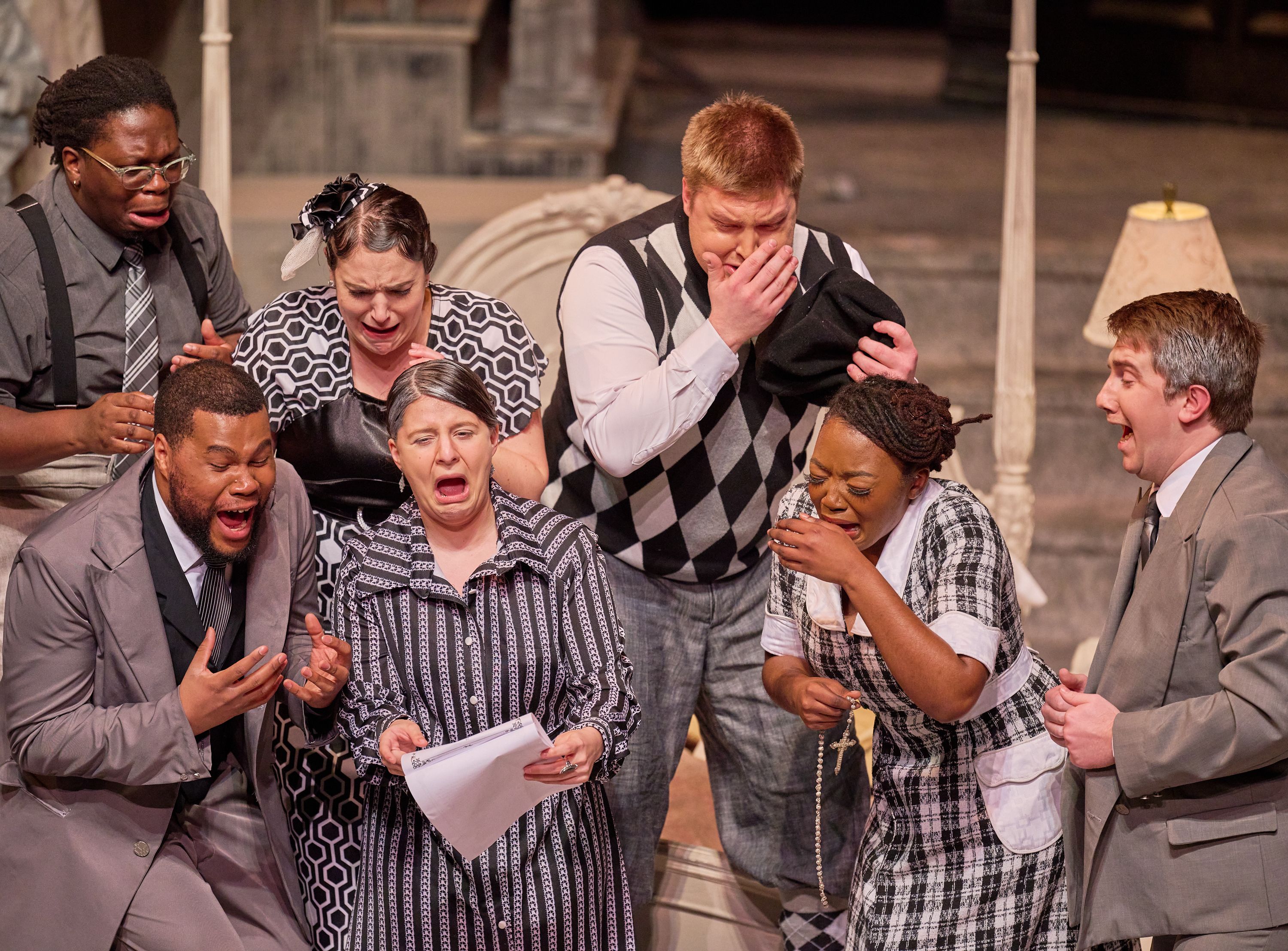
Opera Education in Action
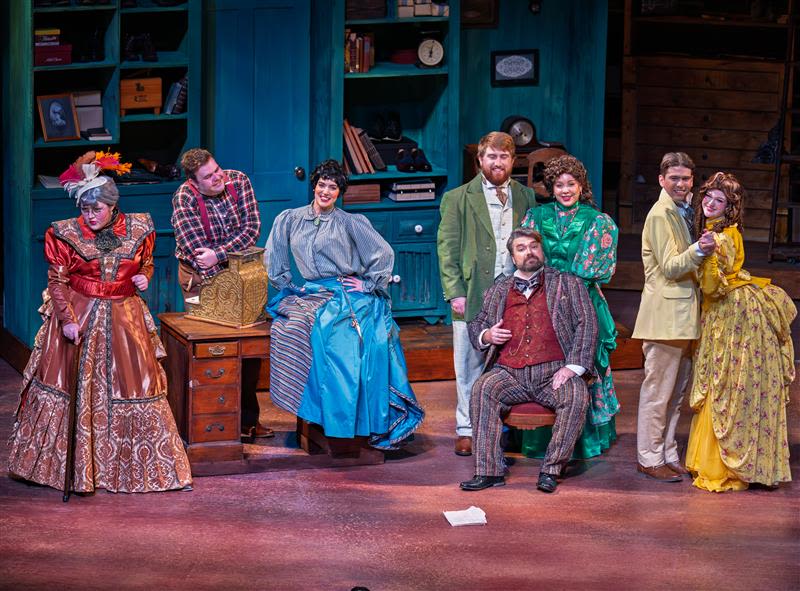
The Moores Opera Center stands apart for both its scale and its intensity. With a student population of roughly 90, the program mounts three full operas each year, plus additional productions. This unusually high performance volume gives singers, instrumentalists, and conductors abundant, real-world experience.
Voice students perform with the Moores School Orchestra, work closely with coaches, and gain exposure to repertoire in multiple languages and styles — from contemporary English works to German and Italian operatic traditions.
Belcher emphasizes the importance of a variation in genre of productions stating, “Students should be exposed to contemporary works, Baroque works, standard repertoire, multiple languages, comedy, tragedy… Over two years, they should at least audition across this spectrum, if not perform in it.”
Commitment to New Music
Innovation is woven into the program’s identity. Moores recently premiered Hobson’s Choice, giving students the invaluable experience of working directly with composer Tom Cipullo. For Parodi, the collaboration was exhilarating. “Working with a living composer is exciting because you can ask questions directly, make adjustments, and understand intentions without guessing. Conducting this major world premiere was incredibly fun and fulfilling.”
Belcher underscores how crucial this work is in preparing students for today’s opera landscape: “With new music being produced so often with professional companies, it’s essential for students to have experience with contemporary vocabulary.”
This commitment to new work not only broadens student experience, it also positions Moores as a creative incubator shaping the future of the operatic canon.
The program’s excellence recently earned national recognition: the Moores Opera Center received top honors in the Division VII category of the 2024–2025 National Opera Association’s Opera Production Competition for its production of Suor Angelica and Gianni Schicchi. “The competition looks at the entire production — scenery, costumes, lighting, musical quality, acting — not just singing,” Belcher explains. The award reaffirms what fans of their performances already know: Moores delivers artistry on par with far larger institutions.
The Enduring Legacy of Carlisle Floyd
No portrait of the Moores School of Music would be complete without recognizing the renowned American composer Carlisle Floyd. Instrumental in the founding of the Butler Opera Studio at the Houston Grand Opera and later named Professor Emeritus at Moores, Floyd’s artistic vision continues to permeate the program. As one of only two university opera programs strongly influenced by a major American composer, Moores carries forward Floyd’s passion for American opera and powerful dramatic storytelling.
This season’s centennial celebration features a double bill of Floyd’s Markheim and Slow Dusk. “We’re presenting his very first opera alongside one of his later works,” Parodi notes. “It’s a wonderful way to showcase the breadth of his career.”
A companion event, A Centennial Voice: Celebrating 100 Years of Carlisle Floyd, created in partnership with Houston Grand Opera, further honors his legacy through conversation and performance, featuring artists from both the HGO Butler Studio and Moores Opera Center.

Looking Ahead
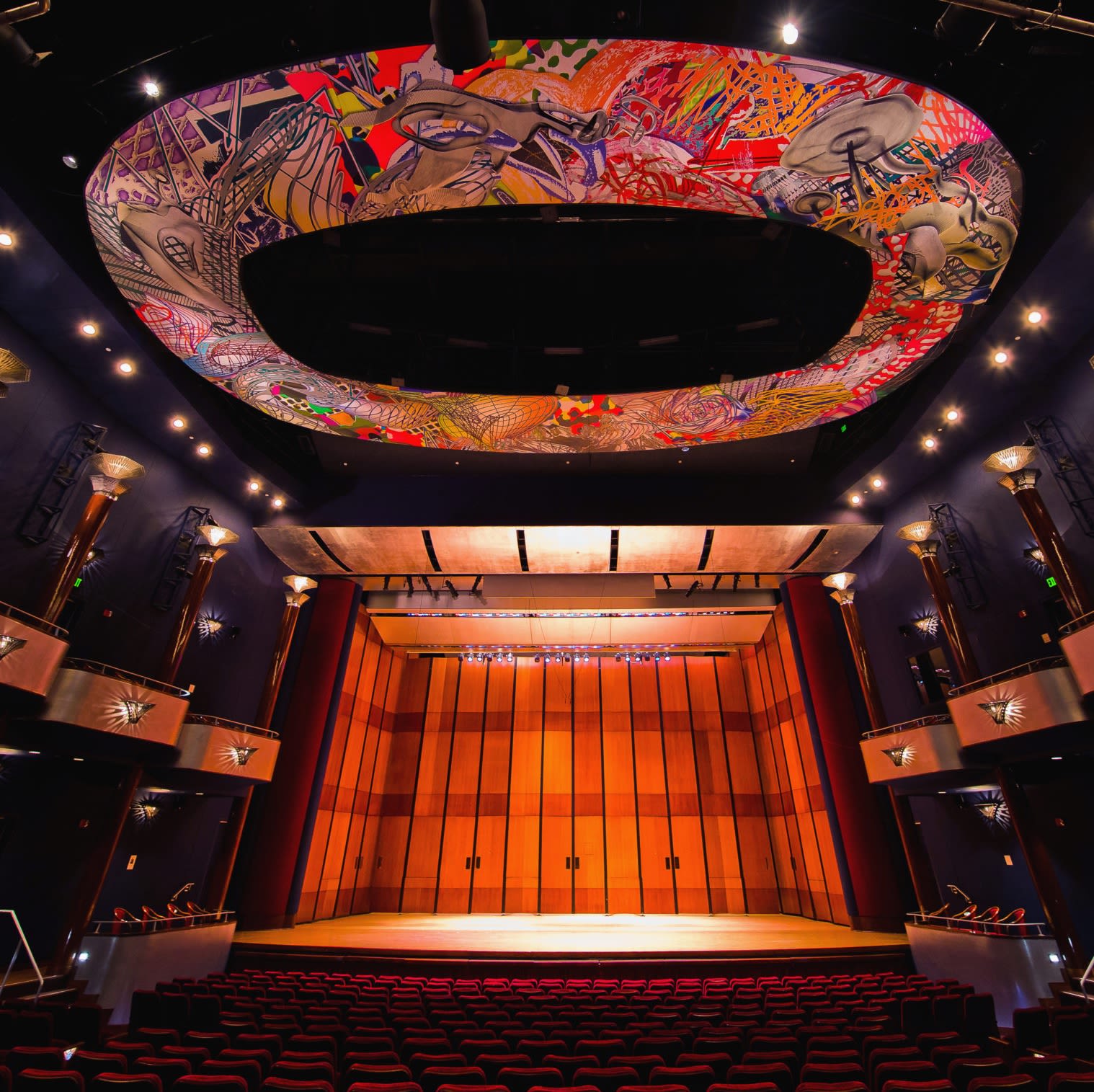
Even with its impressive achievements, the Moores Opera Center continues to evolve. Leadership aims to grow scholarship funding, enhance performance spaces, and expand design and coaching resources. Scholarships, Parodi notes, are transformative: “They make it easier for students to choose us — and that raises the overall level of talent.”
Facility updates are also a priority. “Our opera house is beautiful with great acoustics, but it needs technological upgrades,” Belcher says. “We also need a dedicated space to build scenery.”
Ultimately, both leaders are united in their mission: to graduate artists who are as thoughtful and curious as they are technically skilled. “I want our students to leave inspired as artists and humans,” Belcher says. At a time when opera must continually redefine its place in contemporary culture, the Moores School of Music Opera Program stands as a model for how academic institutions can honor tradition while championing innovation. With visionary leadership, national visibility, and a legacy shaped by one of America’s great composers, Moores is not only preserving the art form it is actively shaping what’s next.
 Built with Shorthand