
TWENTY-EIGHT YEARS OF SWING
How UH’s Jazz Festival Shapes Generations
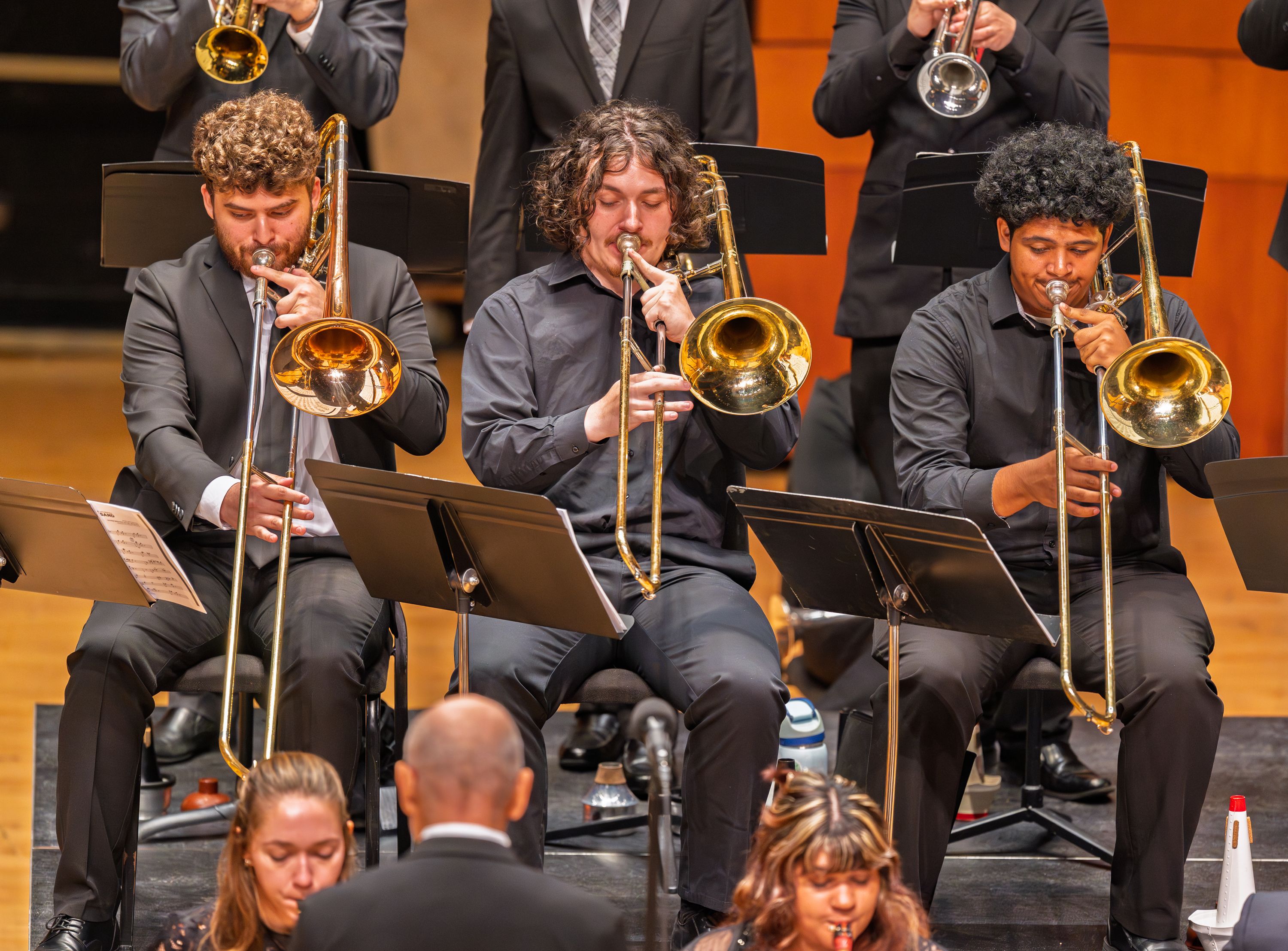

Every February, the Moores School of Music at the University of Houston pulses with a special energy. It's not just concerts, not just rehearsals, not just soloists—it’s something bigger: the coming together of cultures, generations, and dreams in jazz. Under the leadership of Noe Marmolejo, Associate Professor of Jazz and Director of Jazz Studies, the UH Jazz Festival has grown into more than a showcase. It's become a crucible where students are tested, challenged, inspired—and where memories are forged.

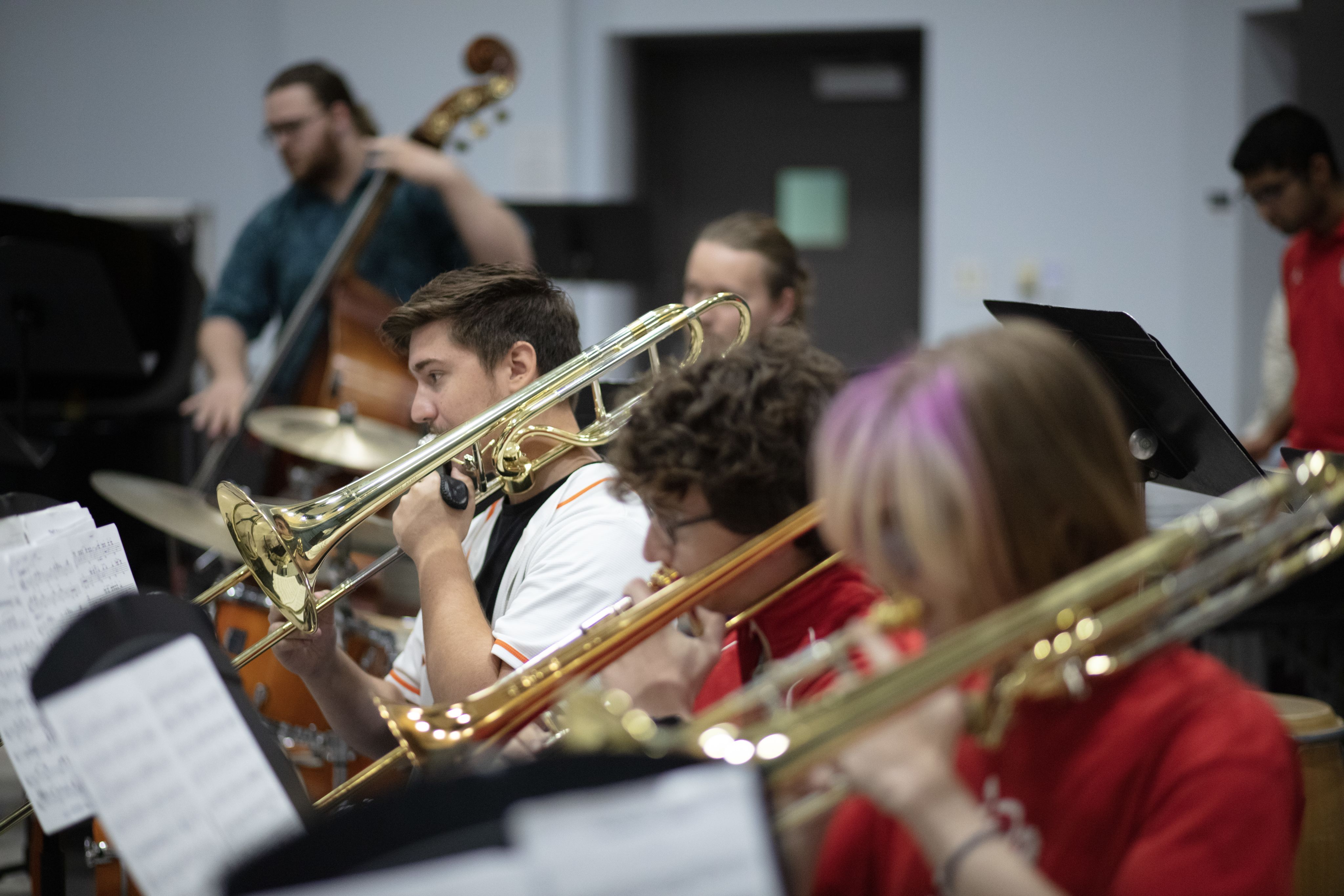
Marmolejo first launched what would become this festival in the mid‑1990s. Though its official beginning was in 1997 with the opening of the Moores Opera House, its roots stretch further back—into informal conversations, weekend gatherings, and small performances with local and visiting artists. He wanted something that went beyond performance: “I wanted to give my students something they'd remember,” he said. “Something they’d carry with them long after they graduate.”
The inaugural festival set a high bar. Joe Henderson, Joe Lovano, George Coleman—the “Three Tenors” of tenor sax—headlined. “That moment,” Marmolejo reflects, “it was more than a concert. It was a declaration.” From that year forward, the festival would carry two intertwined missions: presenting world‑class jazz and educating those who are coming up in its wake.
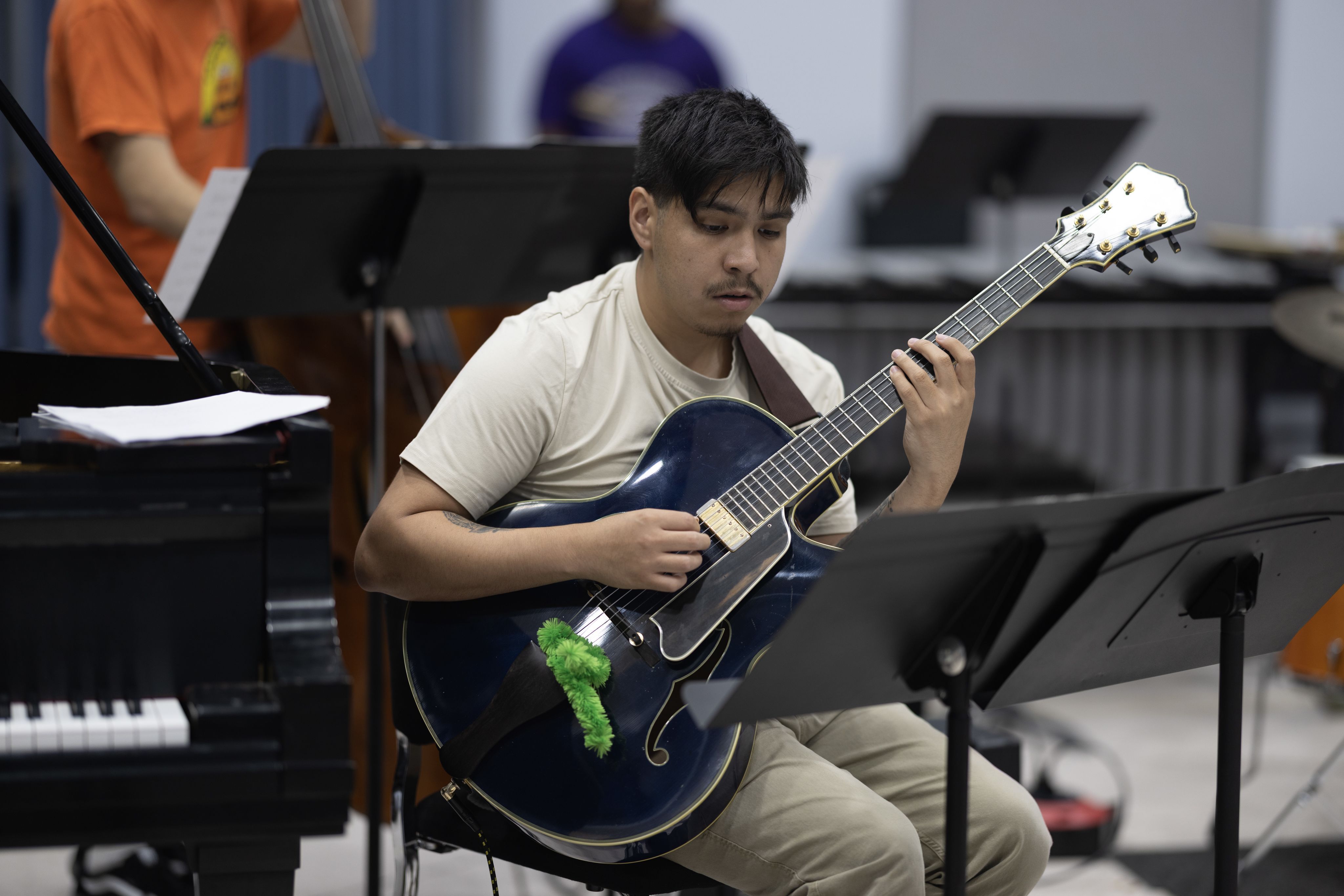
One of the things that makes the festival unique is the depth of student interaction with guest artists. It isn’t just about sitting in the audience; it’s about stepping behind the curtain—sharing rehearsal space, receiving personal feedback, feeling the real pressure and thrill of live performance. After ensembles perform, they go into off‑stage clinics with adjudicators, many of whom are active Jazz community members in Houston. Reactions from students often speak louder than scores or awards. Marmolejo says, “I’ve had students come out of those clinics changed. That 20 minutes of feedback can stick with them for years.”
Every day, students are recognized for exceptional performance. Daily “All-Star” selections, soloist awards, and ensemble honors highlight the dedication and talent that drive musical growth. Top soloists are also invited to return in April for “Houston’s Future All-Stars,” a showcase that connects festival participants with new audiences and performance opportunities.
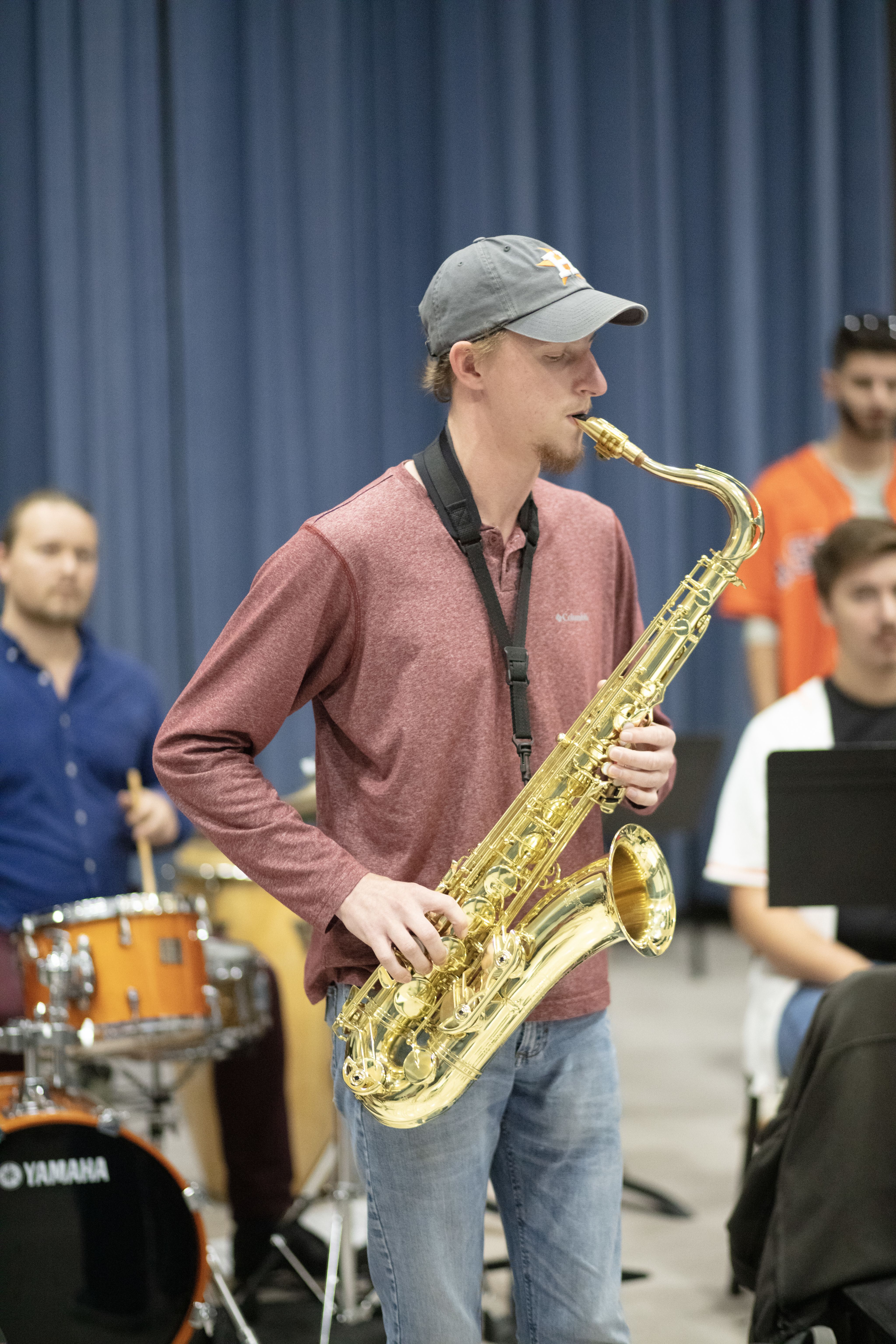
Marmolejo is intentional about variety in the repertoire. He asks bands to include a swing tune, a ballad, and then a Latin, funk, or rock piece. “We want to cover the full spectrum,” he says. “Because jazz is huge. And it’s still growing.” He ensures that guest artists perform pieces they are deeply connected to—music of their own choosing—so students are challenged to adapt and learn from music they haven’t always known. Each program becomes a balance: tradition and risk.

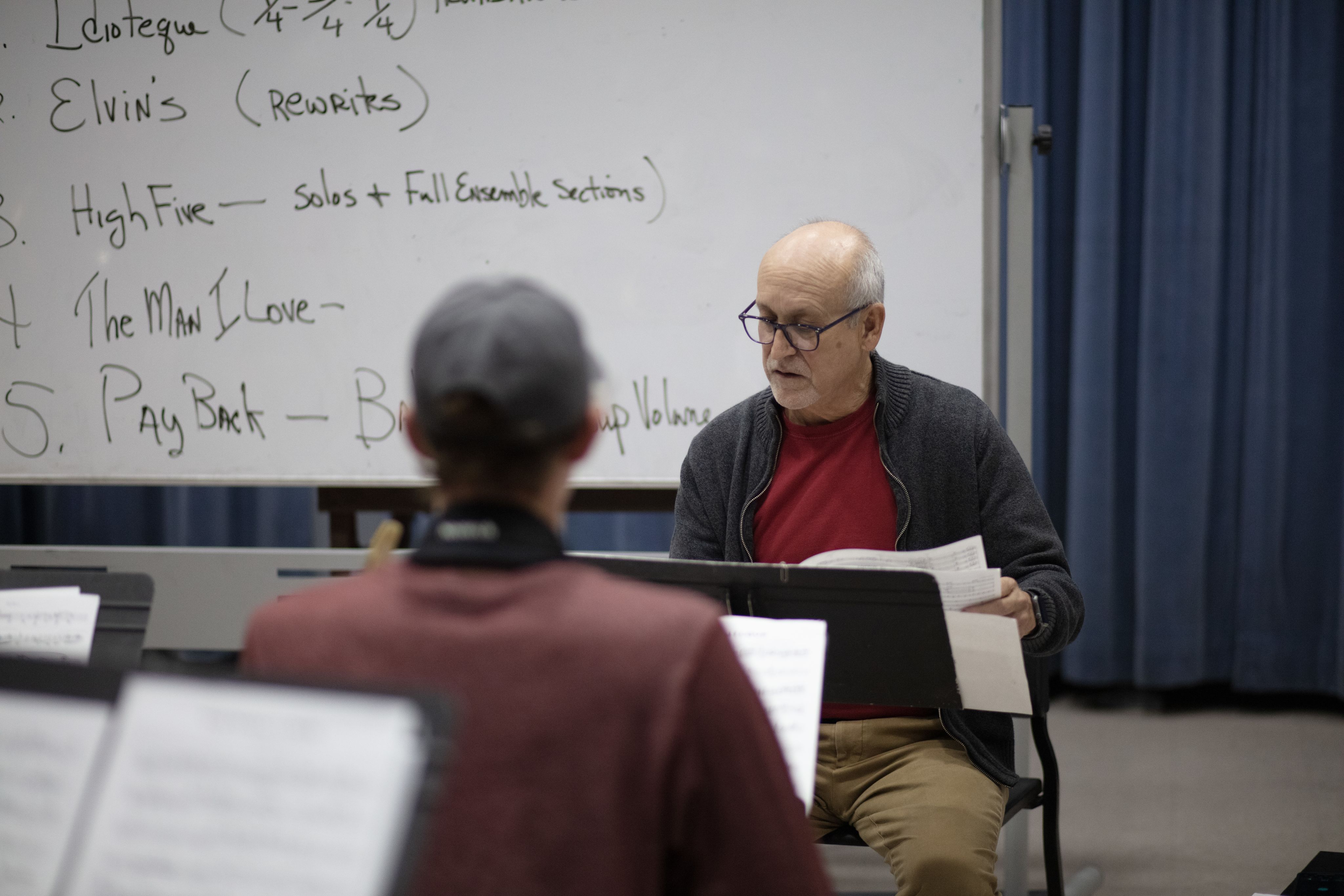


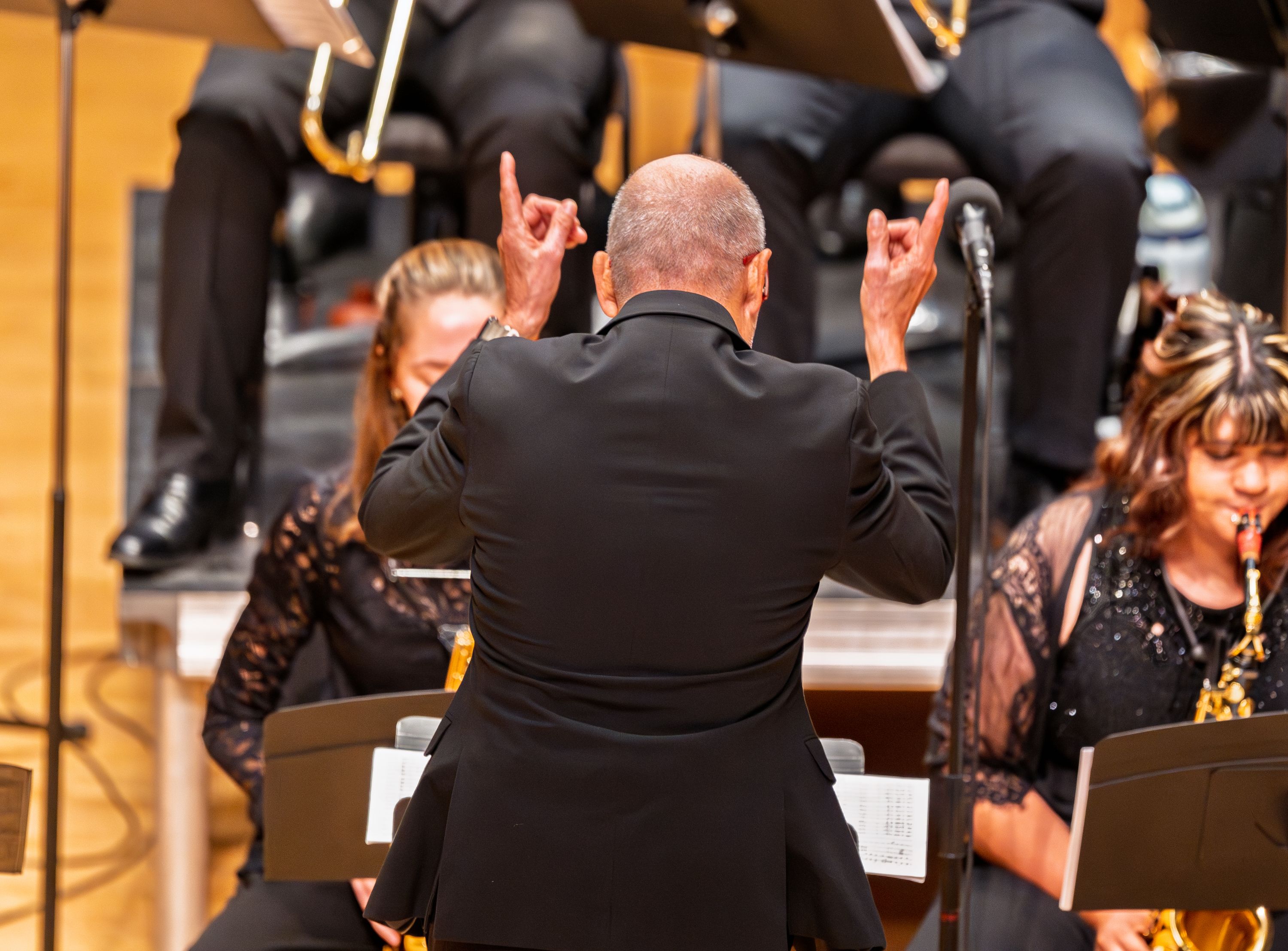
“I wanted to give my students something they'd remember. Something they’d carry with them long after they graduate.”
Noe Marmolejo
For many young musicians, high school bands, and even middle school ensembles, the festival is a turning point. It’s where they hear new sounds, see advanced improvisation, and understand what’s possible. Marmolejo often travels to schools in the region before the festival to offer clinics, lead free workshops, and help bands prepare. That outreach creates connections—not just recruits, but students who see that Houston, Moores, and jazz are accessible and alive.
Woven through it all is Marmolejo’s teaching philosophy. Organizing the festival takes months of coordination—schedules, rooms, adjudicators, artists—but it also reflects his approach to mentorship. Being present throughout, watching students perform, offering both encouragement and critique—these aren’t side tasks; they’re central. “It keeps me connected,” he says. “I love those moments when I can say, ‘Try this… wait, I didn’t expect that…’ They’re electric. They remind me why I teach.”
Not only does the festival reflect Houston’s jazz culture—it helps to shape it. Local musicians serve as clinicians, adjudicators, and performers; audiences include families, school directors, peers; and students inspired in one year often become teachers, performers, or even festival alumni who return to contribute. It’s a cycle that builds community, skill, and attachment to the art form.
Looking ahead, Marmolejo has ambitious but grounded goals. He wants to grow to 30 ensembles—a benchmark for longevity and scope. He hopes more schools from across Texas, and beyond, will participate not just in attendance but in meaningful performance and collaboration. He envisions the educational components deepening: more clinics, more outreach, more connection between guest artists and students before and after performances.
Through it all, Marmolejo returns again and again to one essential truth: jazz lives because people care. “Improvisation—that’s what makes jazz special,” he says. “It’s not easy. But anyone can learn it. And once you do, you start seeing the world a little differently.” He hopes students will leave not just with polished performances, but with the belief that what they do matters—that their voice matters.
If you’ve never been to the Moores School of Music Jazz Festival, this might be your moment. “You’ve got to come,” Marmolejo says. “You’ve just got to be here.” The sounds. The challenges. The breakthroughs. They might change you more than you expect—and that’s exactly the power this festival has built over these 28 years.

 Built with Shorthand