
MEET JAMES ANTHONY TYLER
The accomplished playwright at the helm of the UH Playwrighting and Dramaturgy Program
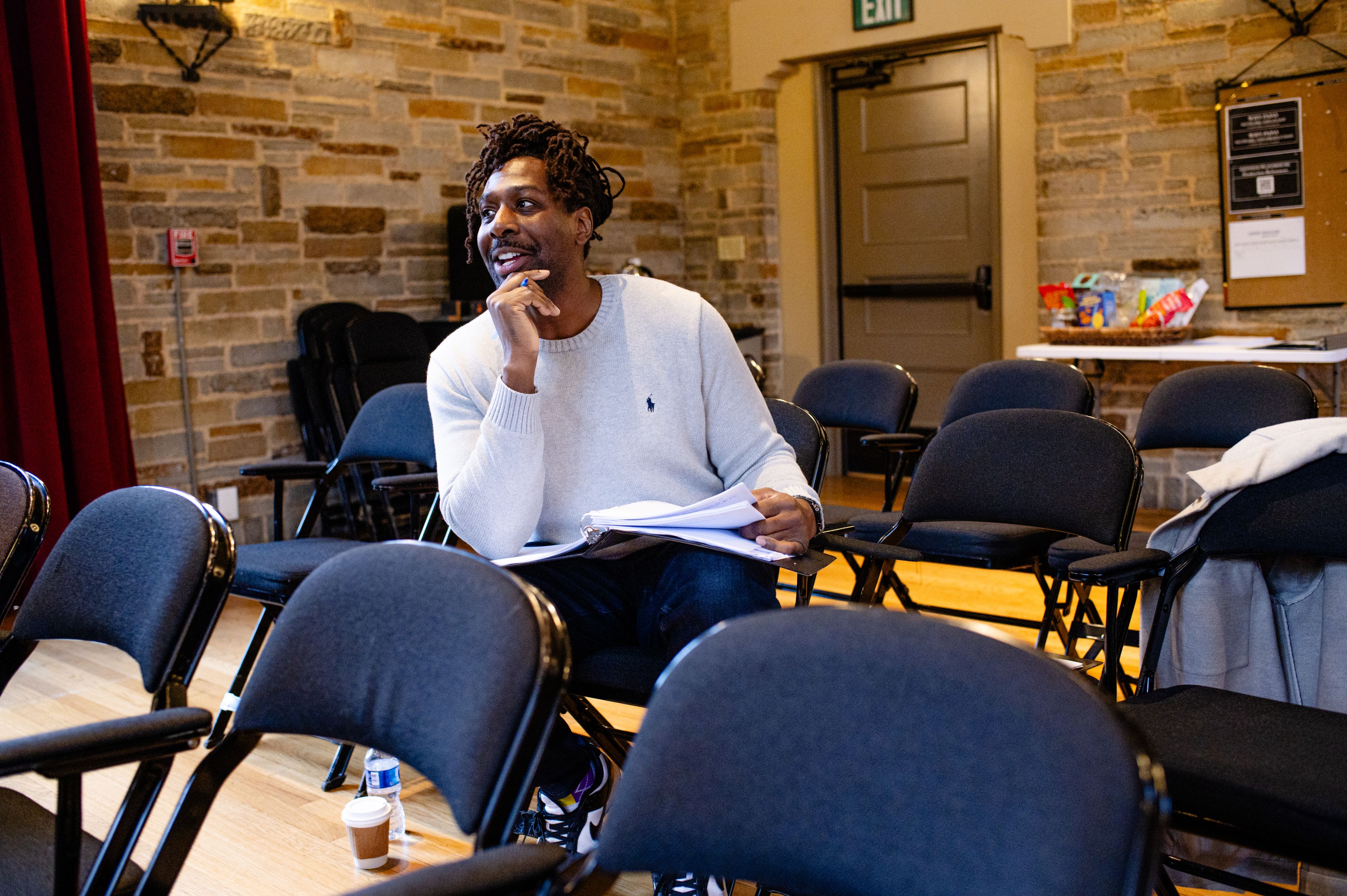

James Anthony Tyler didn’t set out to become a playwright. In fact, he once tried to avoid taking a playwriting class altogether. But when the stories kept showing up—refusing to be ignored—he listened. In this conversation, Tyler reflects on the moment he discovered that writers create the worlds we see on screen and stage, the mentors who helped shape his craft, and the deeply personal experience that led to his acclaimed play The Drop Off. He also shares his approach to teaching, his passion for dramatic craft, and his vision for building a nationally recognized playwriting and dramaturgy program at the University of Houston.

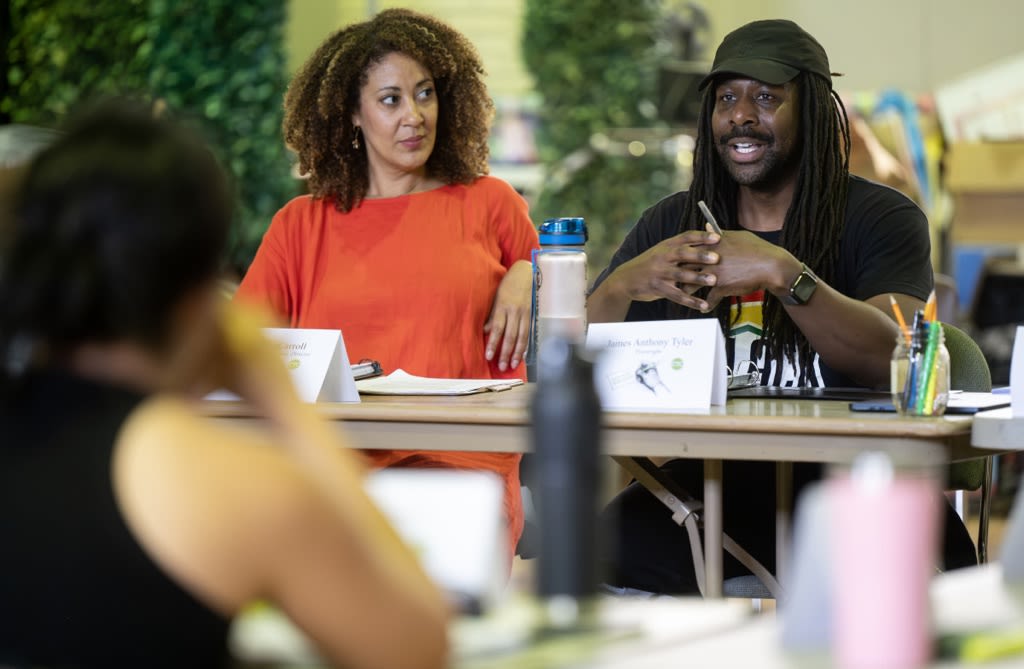


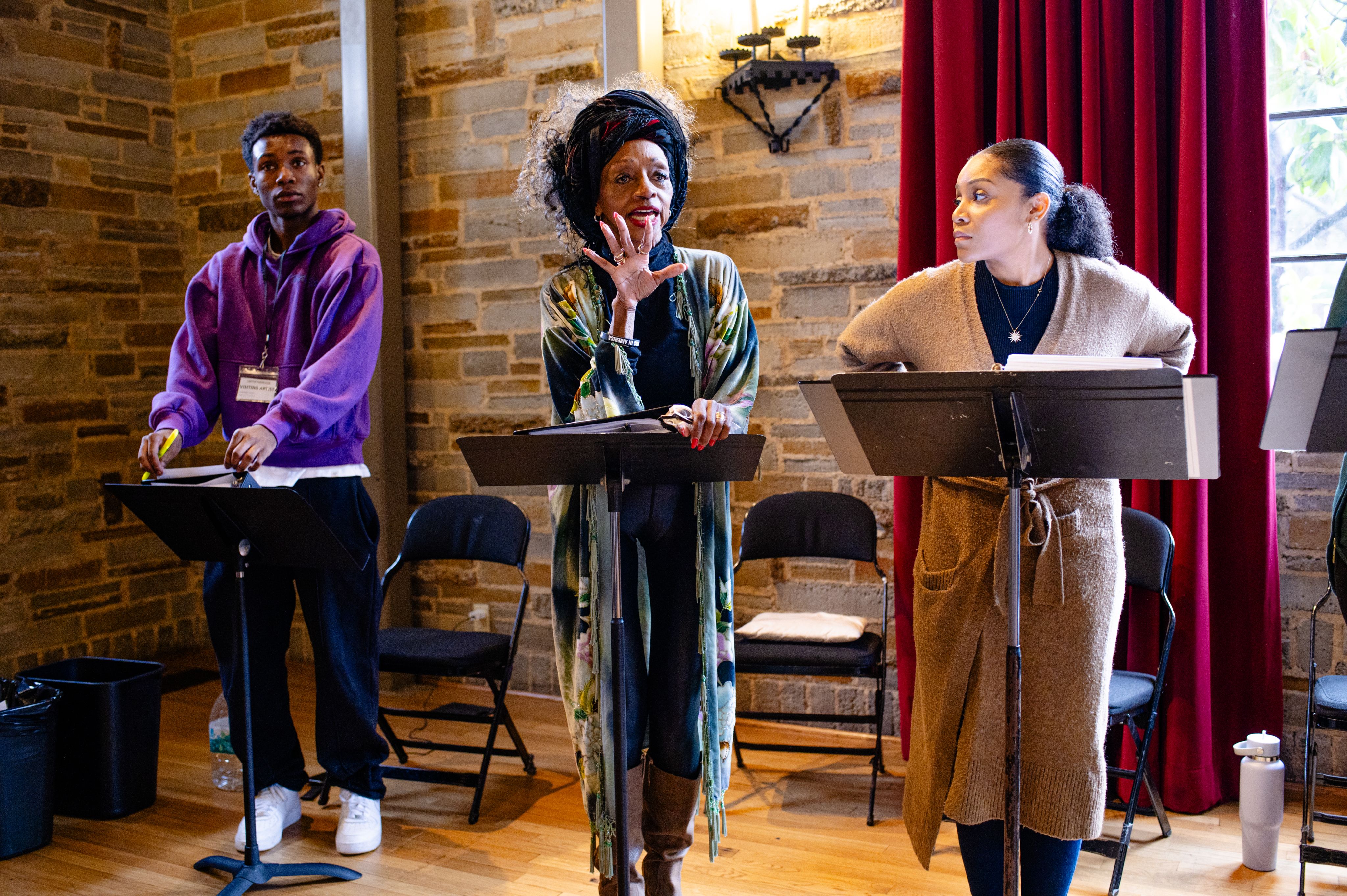

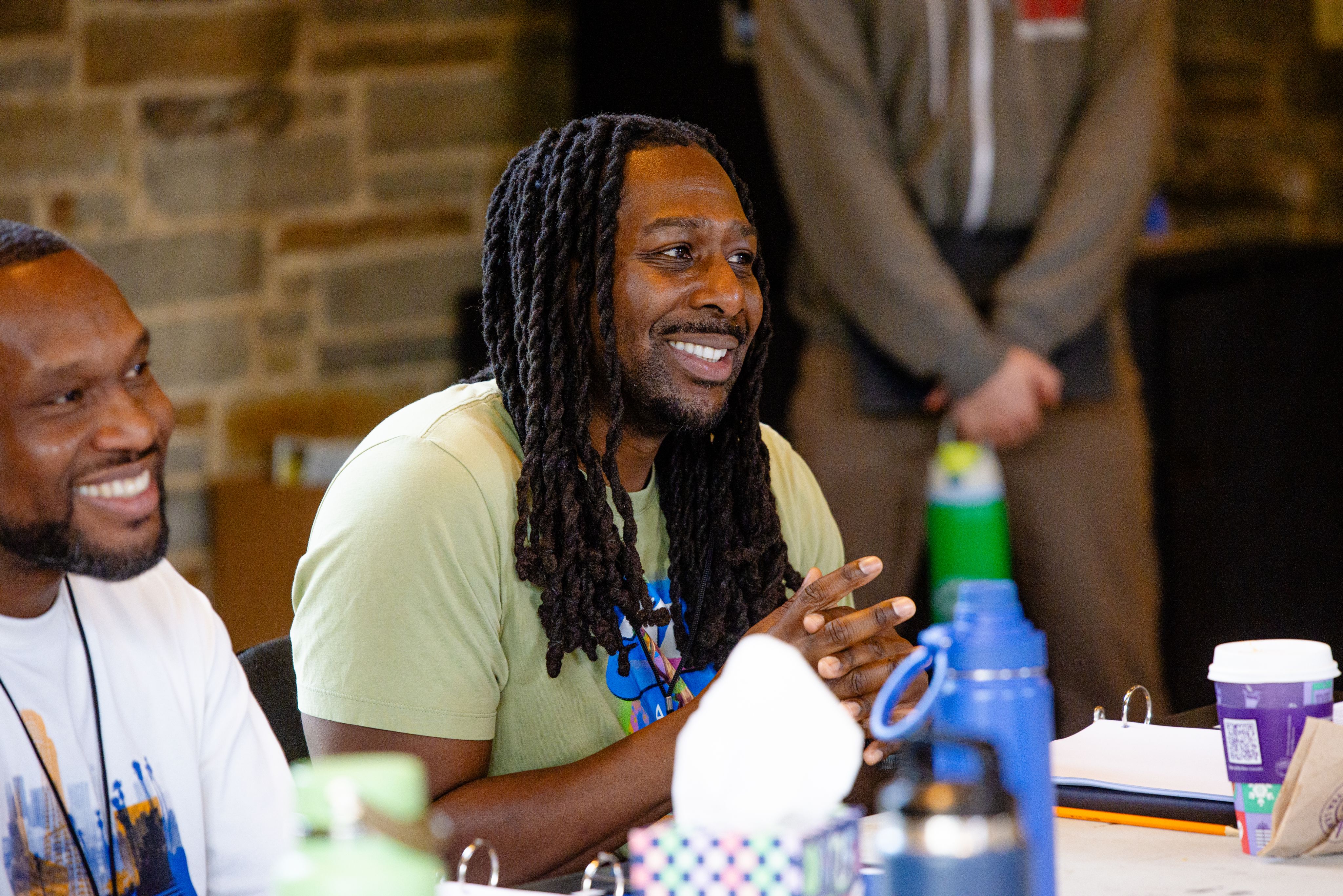
What drew you to the field of playwriting and dramaturgy?
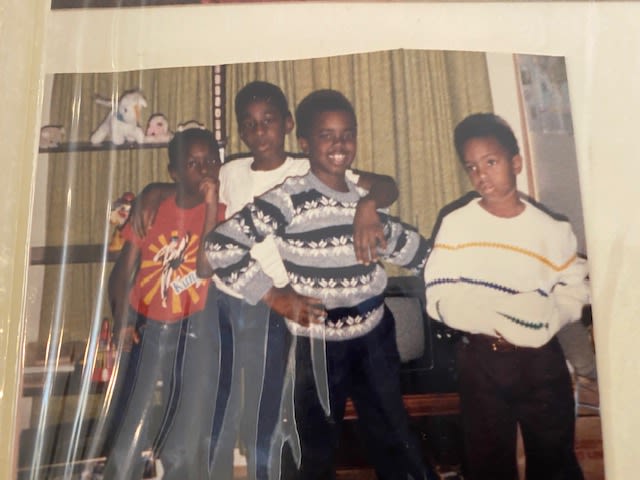
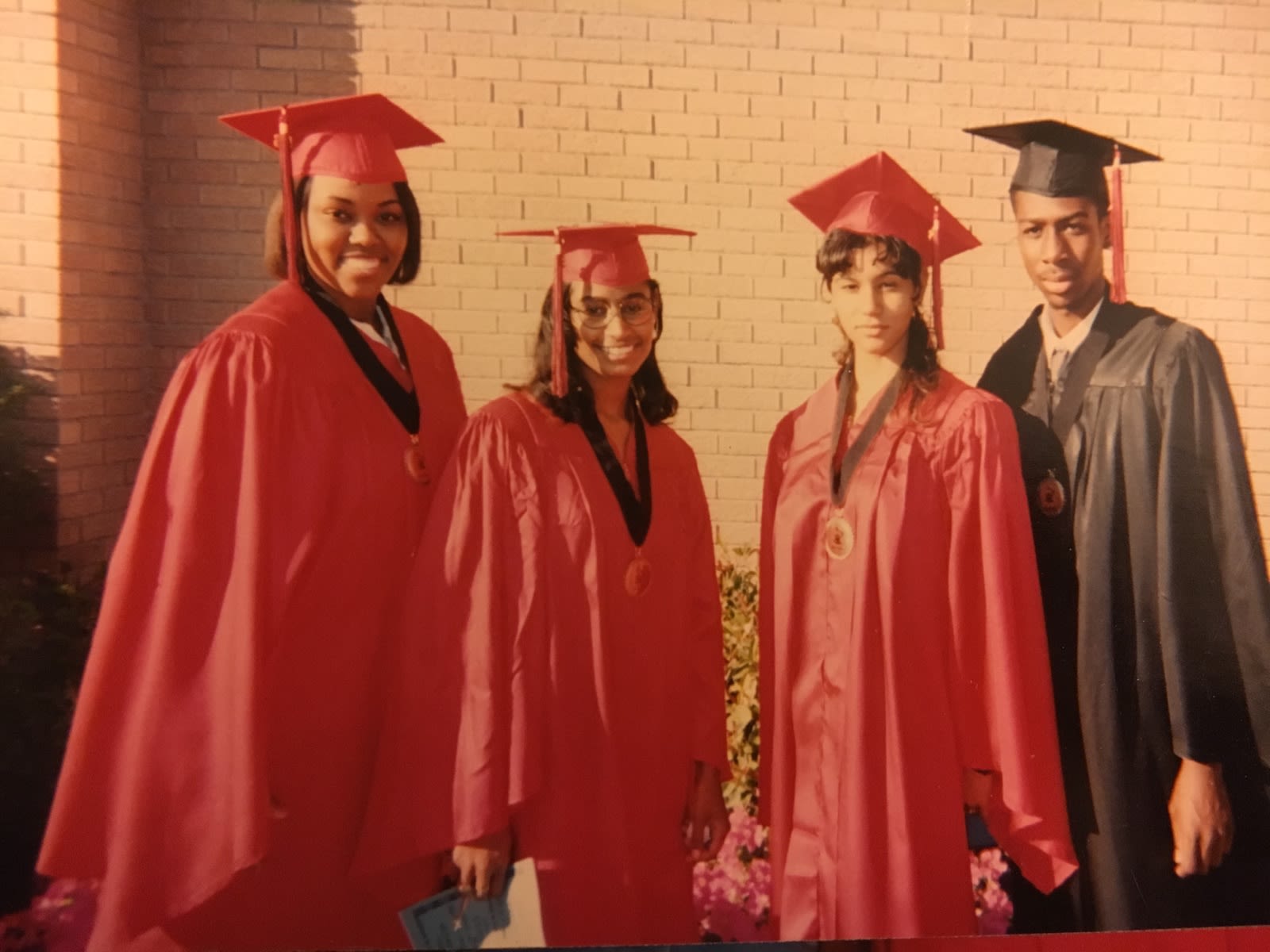
I grew up in Las Vegas, Nevada, and for most of my childhood I loved film and writing. However, the idea that those two things could be professionally connected didn’t click until about seventh grade. One day my uncle asked me, “What do you want to do when you grow up?” and I responded, “What do you mean?”—like most kids do. He was the one who explained to me that people actually write movies and TV shows. That realization completely blew my mind. Suddenly, I understood that all the movies and television shows I loved were created by writers, and that was the moment I thought, I think I want to do that.
Because there wasn’t much theatre in Las Vegas at the time, I consumed films constantly. I eventually went to Howard University for film school, and while I explored many areas, I consistently gravitated toward writing. After graduating, I worked at NYU and decided to apply to their Dramatic Writing program. I got in by the skin of my teeth and, as part of the curriculum, was required to take a playwriting class—which I absolutely did not want to take. I honestly thought I could somehow skip it, though I have no idea what I was thinking.
I couldn’t avoid it, and that turned out to be the best thing that could have happened. I took Playwriting with Janet Neipris, and after reading my very first pages she said, “You’re a playwright.” She believed in me immediately and wholeheartedly, and that semester became the true beginning of my journey as a playwright.
How would you describe your approach to teaching these disciplines?
My approach to teaching is grounded in making sure students are deeply familiar with the tools of dramatic writing. My goal isn’t to force them to use those tools in a rigid way, but to ensure they fully understand and master them. Once you have that mastery, you earn the freedom to break the rules or reshape them however you choose.
That means writing with a clear understanding of what a character wants, what they are doing to get it, what obstacles stand in their way, and why the stakes matter. Alongside these technical foundations, I place a strong emphasis on helping students discover their truest and most authentic voice as playwrights. That balance—craft and voice—is what I aim to bring to the program.
Can you share a favorite play or playwright that has influenced your work?
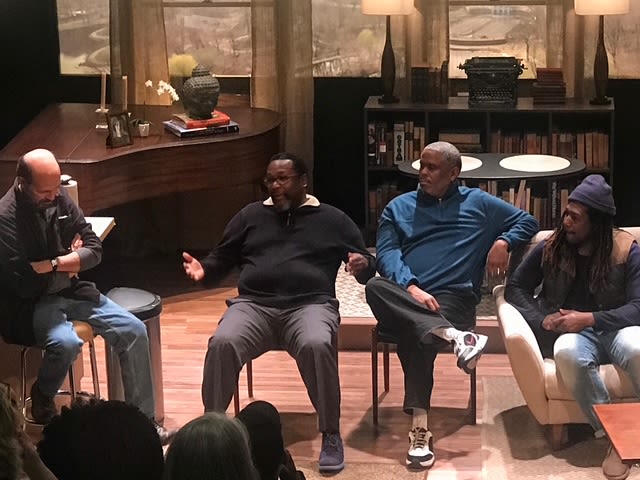
I’ve been influenced by so many plays and playwrights that it’s hard to narrow it down, but one that truly stands out is Richard Wesley. He was the chair of the department when I was at NYU, and I remember reading The Mighty Gents along with the other plays in that collection. It was incredibly inspiring to see that the chair of the department was not only an administrator, but a true craftsperson and artist.
Richard Wesley was also part of the Black Arts Movement, and beyond playwriting, he’s known for writing the classic Sidney Poitier films Uptown Saturday Night and its sequel Let’s Do It Again. Seeing someone move fluidly between mediums at that level had a lasting impact on me.
You are also an accomplished playwright, with your show The Drop Off, which was recently staged with a world premiere at the New Jersey Repertory Company. What inspired you to create and write that play?
Honestly, The Drop Off haunted me. I didn’t want to write it. The play is based on a personal family experience involving placing my aunt in an assisted living facility. She was fortunate—she didn’t stay there long and eventually moved in with another family member—but the experience itself was emotionally exhausting.
I tried to forget it, but the characters wouldn’t let me. I know it sounds strange, but I would hear their voices and vividly see the space they occupied on stage and in the facility. For several nights in a row, I couldn’t sleep because they kept coming to me. After the third night, I remembered something my Howard professor, Haile Gerima, used to say: when the art comes to you, you have to get up and write.
So I did. Once I started, the work poured out of a very truthful place. That play ultimately got me into Juilliard and several fellowships. And now, eleven years after those characters first haunted me, The Drop Off has finally had its world premiere.
What advice do you have for students interested in writing for the stage?
My biggest piece of advice is to truly learn the craft—be a craftsperson. Get under the hood and figure out how stories actually work. You also need to read constantly. Read plays in your medium, but also read across mediums, because there is so much to learn from novels, journalism, magazines, and beyond.
Personally, I learn a great deal from reading novels and newspaper articles. You start to understand structure, tension, and storytelling at a deeper level. I also encourage students not to shy away from their own life experiences. Your stories—and your community’s stories—belong on stage. It doesn’t have to be your autobiography; it could be your grandmother’s story or your neighborhood’s story, but it matters.
Especially in introductory playwriting classes, students often have preconceived notions of what people on stage are supposed to sound like. I remind them that characters can sound like August Wilson’s Hill District or Annie Baker’s New England communities. Trust yourself, trust your voice, and put those stories on stage.
What excites you most about joining our college community?
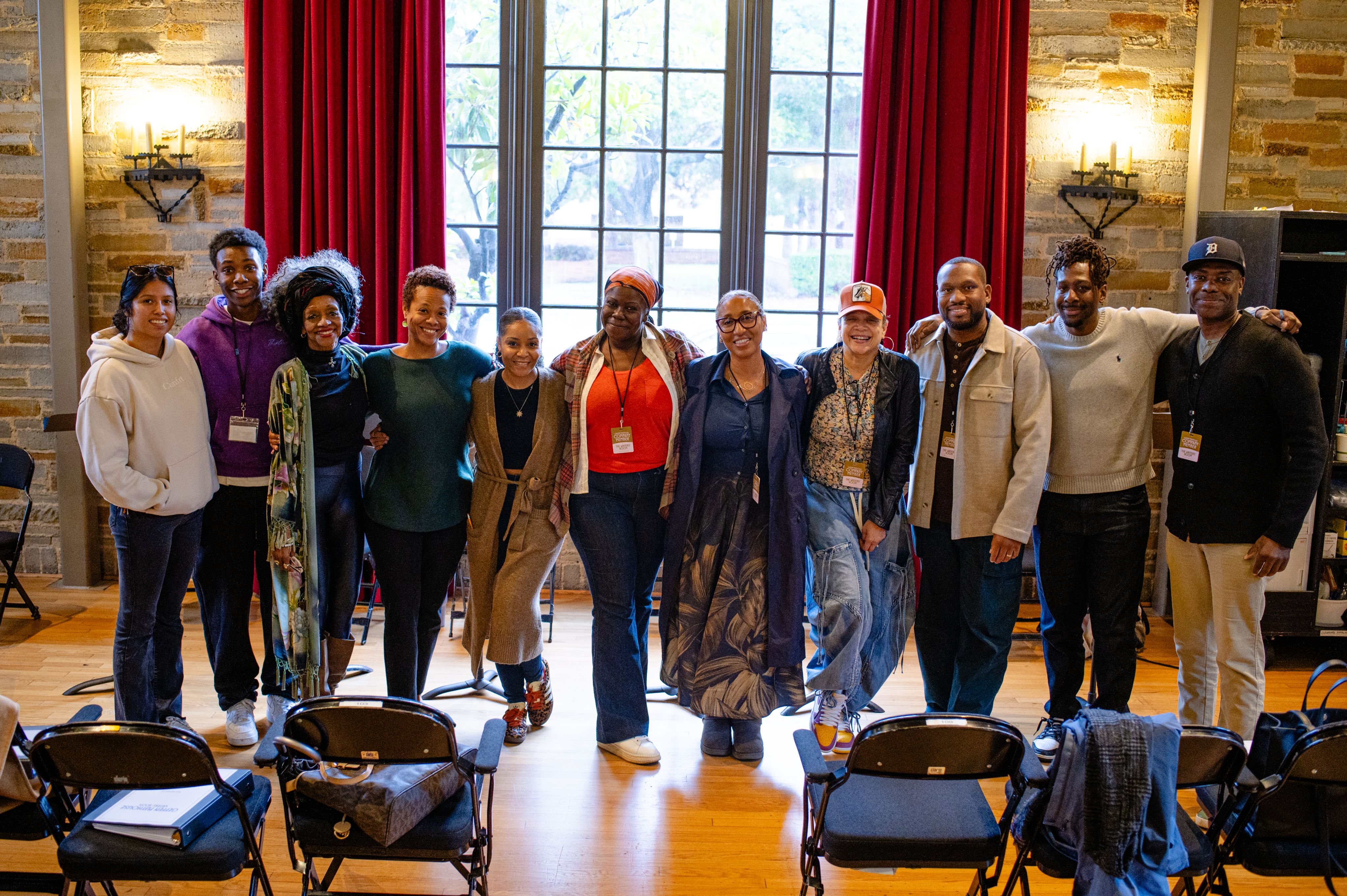
In the short time I’ve been here, what excites me most is how deeply the faculty cares about the department and the students. We’re constantly in conversation about how to improve the program and create the best possible experience for our students.
Our director, Sharon Ott, is incredible. She has high expectations and big ambitions, both of which I truly value. There’s a shared commitment to ensuring that students thrive while they’re here, and it’s been wonderful to witness that level of care and enthusiasm across the department.
Are there any upcoming projects or research areas you’re particularly passionate about?
I have another play being produced in New Jersey next fall, which I’m very excited about. Interestingly, that play is also over a decade old, which really shows how long the journey can be from inception to full production.
I’m also working on a play about Shadrach Minkins, the first person captured under the Fugitive Slave Act of 1850. He was arrested in 1851, and remarkably, the same day he was captured was the day he was rescued by Boston’s free Black community and white abolitionists. It’s an extraordinary story that isn’t widely known, and my goal is to bring greater awareness to it. There’s still more research to do, but it’s a project I’m deeply passionate about.
As we wrap up this interview, do you have anything else that you would like to share?
We are really focused on putting our playwriting department on the national map. We want students from across the country—and internationally—to come study playwriting and dramaturgy at the University of Houston. There are very few BFA programs in playwriting, and we may be the only one that combines playwriting and dramaturgy in this way.
There’s so much exciting work happening here, and Houston itself has a vibrant theatre and arts scene that isn’t always widely recognized. People know about cities like Chicago—but they need to know about Houston too. We’re proud of what we’re building and eager to spread the word.
 Built with Shorthand